Ink and Instinct: Meet the Desert Zine Makers Printing the Stories Nobody Else Will Touch
There's a copy shop in Tucson where the staff doesn't ask questions anymore. They've watched too many people roll in with USB drives and bleary eyes, printing runs of fifty, a hundred, sometimes two hundred copies of something stapled together and hand-numbered in the corner. They know what's happening. The zine scene is alive, and it's louder than ever — even if you've never heard it.
Across the Southwest, a generation of independent publishers is doing something quietly radical: they're making physical things in a world that told them physical things don't matter. Zines — those scrappy, self-published pamphlets that have carried countercultural energy since the days of punk and science fiction fan clubs — are having a serious moment in the desert. And this particular wave isn't just nostalgia. It's a deliberate response to what's been lost as regional media has hollowed out, social platforms have buried niche voices under engagement algorithms, and the stories that define actual desert life have gone untold.
Why Paper, Why Now
Ask anyone deep in the scene why they chose print over a blog or a newsletter and you'll get some version of the same answer: they wanted something that couldn't be taken down.
"There's no deplatforming a staple," says Marisol Fuentes, who publishes Caliche, a biannual zine out of Albuquerque focused on New Mexico land rights and acequia water culture. She's been running it for four years, distributing through record stores, coffee shops, and a rotating cast of trusted hands. "I wanted something that existed in the physical world. Something you could find in a box in someone's closet twenty years from now and still read."
That permanence — or at least the illusion of it — drives a lot of what's happening. In a media environment where local outlets have shuttered across the Southwest and national publications parachute in to write the same three narratives about the desert (heat, sprawl, water crisis), zine makers are filling a gap with a granularity and intimacy that no wire service can replicate.
The Machines Behind the Movement
The risograph printer has become something of a totem for this scene. Originally designed for cheap office duplication, the riso produces prints with a slightly off-register quality — colors that bleed just a little, textures that feel alive in a way laser printing simply doesn't. For zine makers in Phoenix, Las Vegas, and Santa Fe, it's become the aesthetic signature of serious work.
Jordan Kestler runs a small print collective out of a rented space in a Phoenix strip mall. The collective, called Dry Ink, offers risograph access by membership and has become an informal hub for the city's independent publishing crowd. "People come in with ideas and leave with a hundred copies of something real," Kestler says. "There's something that happens when you hold the thing you made. It changes how you think about your own voice."
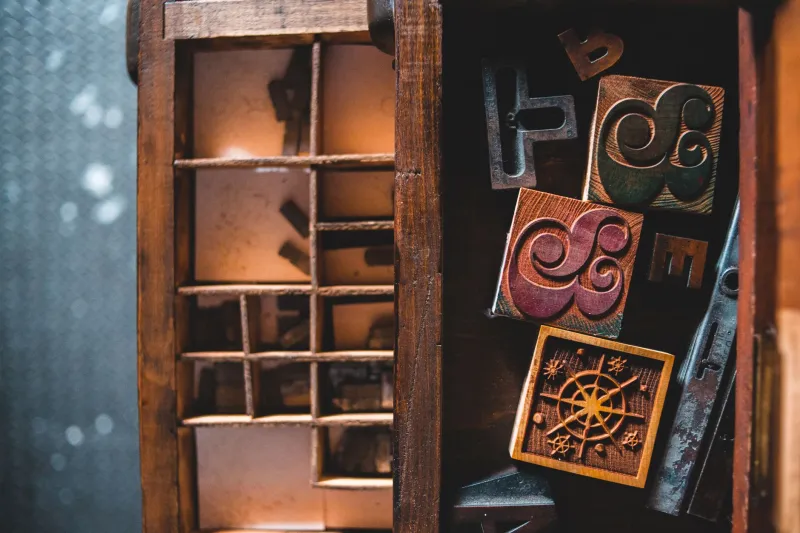
Not everyone is working with risograph, though. Plenty of zine makers are still using basic photocopiers, screen printing by hand, or experimenting with letterpress through community arts programs. The point isn't the machine — it's the insistence on tactile production, on something that requires physical presence to experience.
What's Actually Getting Published
The range of subject matter is genuinely staggering. A partial survey of what's currently circulating across the region turns up: a Flagstaff zine cataloguing old-growth ponderosa pine ecosystems with hand-drawn botanical illustration; a Las Vegas publication dedicated entirely to the oral histories of casino workers; a queer history zine out of Albuquerque documenting LGBTQ life in New Mexico from the 1960s through the AIDS crisis; a Salt Lake City zine running experimental poetry in English and Diné Bizaad side by side.
There are food zines, hiking zines, astrology zines illustrated with Sonoran Desert imagery. There are political zines that would never survive a content moderation review. There are grief zines, recovery zines, zines about the specific experience of being brown in a city that keeps getting rebranded for someone else.
"What you find in the zine world is specificity," says Tucson-based writer and zine distributor Cass Arellano, who runs a distro operation called Sand & Stitch out of her apartment. "Mainstream media wants the universal story. Zines want the exact story. The story of this neighborhood, this community, this moment."
Distribution as Community Building
One of the more interesting things about the current Southwest zine wave is how its distribution networks function as community infrastructure. Zine distros — operations that aggregate and resell zines from multiple creators — have quietly become connective tissue between cities that don't always have obvious cultural links.
Arellano's Sand & Stitch ships to buyers across the country but maintains a particular focus on getting Southwest-made zines into Southwest spaces: indie bookstores, queer community centers, Native cultural organizations, university libraries. "I think about it as building an archive that's distributed," she says. "No single fire or flood can wipe it out. It exists in hundreds of places at once."
Zine fairs have also become reliable gathering points. Albuquerque's annual event draws makers from across the region. Phoenix has seen new fairs emerge in the past two years. Tucson hosts a winter fair that regularly sells out its vendor tables months in advance. These events function less like markets and more like reunions for a community that mostly communicates through the mail.
The Tension With Digital
It would be easy to frame all of this as purely anti-digital, but that's not quite right. Most zine makers maintain some online presence — Instagram accounts to announce new issues, Bandcamp-style storefronts to handle orders, Discord servers where communities form around shared interests. The relationship with digital tools is pragmatic rather than ideological.
What zine makers are rejecting isn't the internet itself but the specific logic of algorithmic platforms: the demand for constant content, the flattening of niche voices into engagement metrics, the way a platform can simply decide your community doesn't exist by burying it in a feed.
"A zine doesn't need to perform," says Fuentes. "It doesn't need likes. It just needs to find the people it's for."
Keeping the Desert Weird and Documented
There's something fitting about the Southwest becoming a stronghold for this kind of publishing. The region has always had a complicated relationship with documentation — too much of its history has been written by outsiders, erased by development, or simply never recorded at all. The zine scene, in its messy, hand-stapled way, is pushing back on that.
These are people who looked at the gap between what their communities actually live and what gets covered, and decided to close it themselves — one copy run at a time. The machines hum, the pages stack up, and somewhere in a record store bin or a library free box or a friend's backpack, a piece of the real Southwest waits to be found.