Static and Starlight: The Desert Radio Voices Keeping Underground Culture Alive One Broadcast at a Time
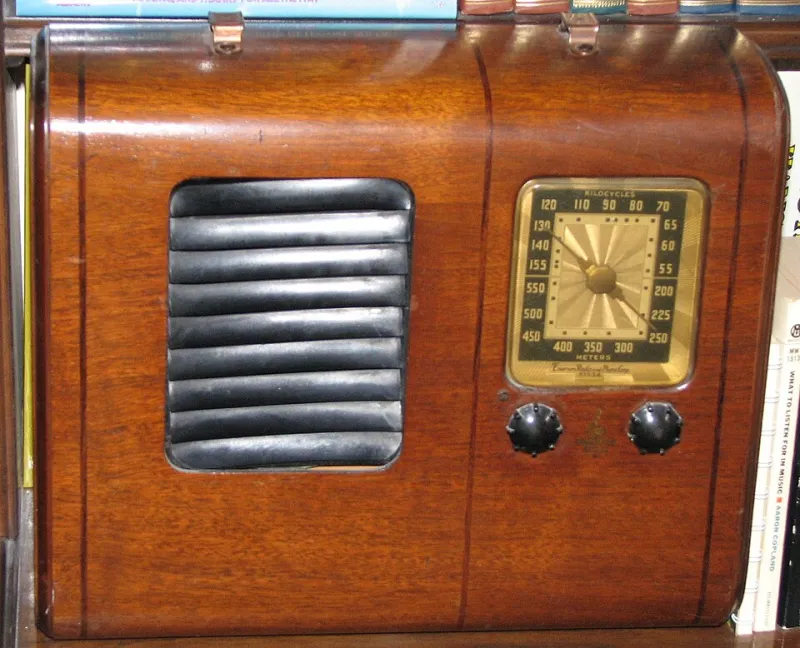
Photo: Joe Haupt from USA, CC BY 2.0, via Wikimedia Commons
Somewhere around 2 a.m. on a Tuesday, driving a stretch of empty highway between Tucson and nowhere in particular, you might catch a voice coming through your AM dial that sounds like it knows something you don't. It's unhurried. It's specific. It's talking about a bar band that broke up in 1987, or a Navajo weaving revival happening in a town with a population of 400, or a cumbia scene in Albuquerque that Spotify's recommendation engine will never, ever find for you.
That voice belongs to a breed of broadcaster that most media trend pieces have already written off. Independent Southwest radio DJs — the ones holding down late-night and weekend slots on community stations, low-power FM outlets, and stubbornly analog AM towers — are doing something that streaming platforms genuinely cannot replicate. They're telling stories with geography baked into the signal.
The Frequency Nobody's Supposed to Find
There's a reason these personalities thrive in the margins of the dial. Community radio in the Southwest has always operated at the edges of mainstream attention, and that obscurity is actually a feature, not a bug. Stations like KXCI in Tucson, KUNM in Albuquerque, and a constellation of smaller low-power outlets scattered across Arizona, New Mexico, and the Mojave have historically given airtime to the kinds of voices and subjects that commercial radio considers unprofitable.
What's shifted in the last decade is the intentionality behind it. A new generation of DJs isn't just filling airtime between tracks — they're building entire narrative architectures around their shows. Some research local history obsessively. Others maintain relationships with Indigenous communities, Chicano muralists, underground promoters, and aging honky-tonk musicians who wouldn't know what a podcast RSS feed was if you handed them a printed diagram.
The result is something that functions less like traditional radio and more like a living archive with a personality.
Characters Behind the Console
Take the approach of a show like the kind that airs on a Saturday night in Phoenix — two hours dedicated entirely to the music and oral history of the Salt River Valley before the sprawl swallowed it whole. The host spends the week between broadcasts tracking down old recordings, interviewing retired session musicians, and pulling from university archive collections most locals have never heard of. By the time the mic goes live, the broadcast feels less like entertainment and more like an act of cultural preservation dressed up as a good time.
Or consider the late-night cumbia and norteño programs that have quietly built cult followings among second and third-generation Mexican-American listeners across the Southwest. These aren't novelty acts. They're sophisticated curators who understand that the music they play carries social history inside it — migration patterns, labor movements, border identity — and they talk about it that way. Not in an academic register, but in the kind of casual, knowledgeable tone you'd use with someone who already gets it.
That intimacy is the whole point.
Why Analog Still Hits Different
It's tempting to frame this as nostalgia, but that misses what's actually happening. The persistence of these radio voices isn't about resisting technology — most of these broadcasters are savvy enough to archive shows online, maintain social accounts, and engage listeners across platforms. What they're resisting is the flattening effect of algorithm-driven discovery.
When a streaming platform recommends music or content, it's optimizing for engagement signals drawn from millions of users. The result is a kind of cultural averaging — you get what's statistically likely to please the broadest version of you. What you don't get is a broadcaster in Flagstaff who knows that a particular Hopi community is doing something remarkable with traditional flute music and electronic production, and has the relationships to bring that story to air before anyone else even knows it exists.
The desert, geographically and culturally, has always rewarded specificity. The people who thrive here — the ranchers, the artists, the long-haul drivers — tend to have a finely tuned sense of what's real and what's performed. These radio personalities fit that mold. Their authority comes from showing up, from knowing the terrain, from having put in years of unglamorous work in booths that don't always have working air conditioning.
Building a Cult Audience in the Streaming Age
Here's the part that surprises people who assume radio is dead: the audiences for these shows are growing. Not in the explosive, viral way that makes for good press releases, but in the slow, durable way that actually sustains a cultural institution.
Listeners who find these shows tend to stay. They call in. They bring friends. They show up to events the station organizes. In smaller Southwest cities especially, the community radio station functions as a genuine civic anchor — a place where the culture of a specific patch of desert gets talked about like it matters, because to the people doing the broadcasting, it genuinely does.
Social media has also done something unexpected for these broadcasters: it's let their most devoted listeners find each other. A Facebook group for fans of a late-night Albuquerque jazz and history show might have a few hundred members, but those members are intensely engaged. They share archival photos, debate setlists, and occasionally organize their own events. The radio show becomes the seed of something larger.
The Stakes of Keeping the Signal Going
None of this is financially comfortable. Community radio operates on thin margins — listener drives, small grants, the occasional local business sponsor who understands the value of reaching a loyal, local audience. The DJs themselves often hold day jobs, fitting their research and broadcasting around the rest of their lives.
But there's a genuine cost to losing these voices. When a Southwest community station goes dark or gets bought out and reformatted, what disappears isn't just a frequency. It's a specific relationship between a place and the people who know how to talk about it honestly. The underground bands, the Indigenous artists, the old-timers with stories that haven't been recorded anywhere — they lose a platform that was built, over years, to actually accommodate them.
The neon out here fades if nobody keeps it lit.
These broadcasters know that. You can hear it in the way they talk — unhurried, specific, a little bit like they're letting you in on something. Because they are. Every late-night show is an argument that this place, this culture, this particular frequency of desert life is worth paying attention to.
So far, enough people are listening to prove them right.