After Midnight in the Mojave: Inside the Southwest's Quietly Explosive Electronic Music Underground
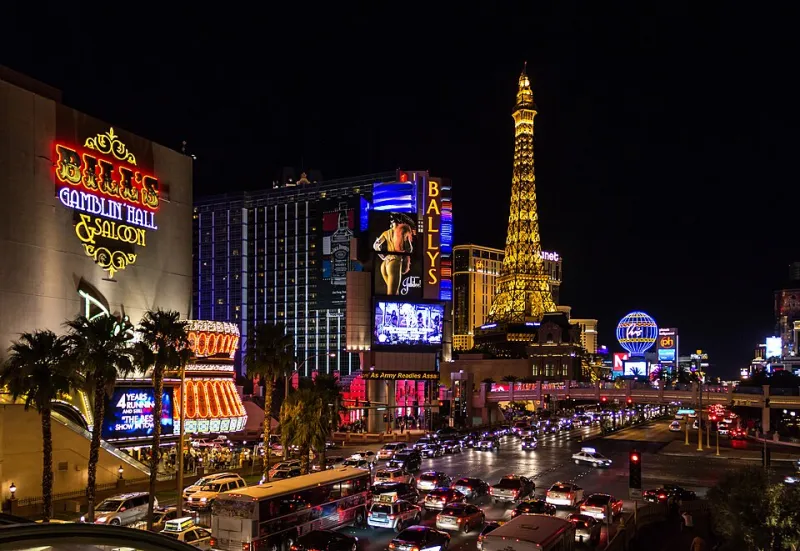
Photo: Dietmar Rabich, CC BY-SA 4.0, via Wikimedia Commons
It's 11:45 on a Saturday night in a repurposed auto body shop on the east side of Phoenix. The walls are still painted with the ghost lettering of whatever business occupied this space before, and a single strand of neon tubing — predictably, it's pink — runs along the ceiling above the makeshift stage. About eighty people are packed in here, and a producer who goes by the name Arroyo Phantom is laying down a set that sounds like a synthesizer got lost in the Sonoran Desert and made peace with it.
This is the Southwest electronic underground, and if you haven't heard about it yet, that's kind of the point.
A Sound Born From Specific Geography
Electronic music communities exist in every major American city, obviously. But what's happening across desert cities like Phoenix, Tucson, Albuquerque, and to a lesser extent Las Vegas has a particular flavor that producers and fans here will tell you is genuinely distinct from what's coming out of LA, Chicago, or New York.
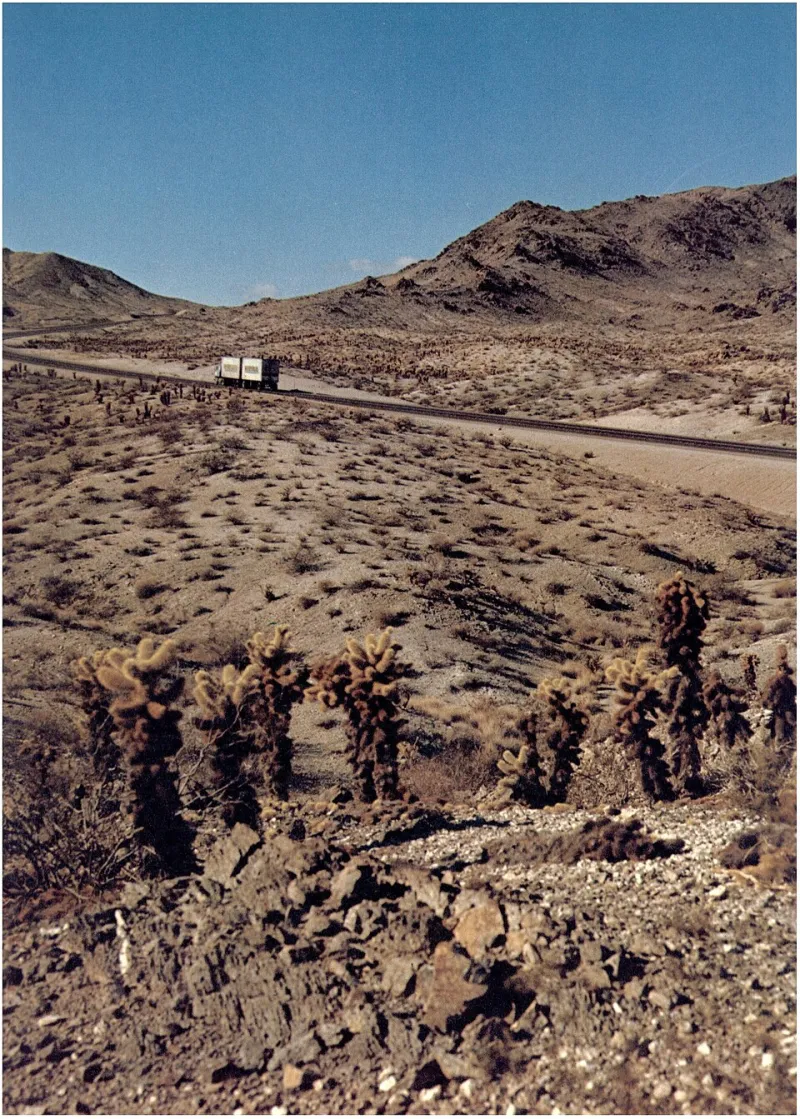
The influences are layered in interesting ways. There's the obvious retro-futurism — the Southwest has always had a complicated love affair with the future, from mid-century modernist architecture to the Space Age aesthetic that shows up in everything from old Vegas signage to New Mexico's UFO culture. That visual language translates into music in ways that feel almost automatic. When you grow up surrounded by neon, chrome, and infinite sky, a certain kind of synth-heavy, atmospheric sound just makes sense.
But there's more going on than aesthetic inheritance. Indigenous musical traditions — particularly from Navajo, Pueblo, and O'odham communities — have had a quiet but real influence on some producers working in this space. Not in a borrowing-without-credit way, but in a deeper structural sense: the relationship to rhythm, space, and repetition that shows up in a lot of Southwest electronic music has roots that go further back than any Roland synthesizer.
"I grew up going to powwows with my family and also listening to Front 242 in my bedroom," says Tucson-based producer Mika Runwater, who releases music under the name Red Dust Protocol. "Those two things aren't as far apart as people assume. There's a trance logic to both of them. I just found a way to let them talk to each other."
The Cities, One by One
Phoenix is probably the most active node in the regional network right now, which makes sense given its size. The DIY scene here has been building since the early 2010s, originally centered around a loose cluster of venues in the Roosevelt Row arts district. Several of those original spaces have closed or gone legit, but the energy has dispersed rather than dissipated — house shows, warehouse events, and pop-up performances in unexpected locations have become the primary mode.
Producers to watch from the Phoenix orbit include Glass Wash (ambient/industrial crossover), Saguaro Static (deep synth-wave with heavy reverb), and the duo Nightside Corridor, whose live sets incorporate projected desert landscape visuals that are genuinely stunning.
Tucson punches considerably above its weight for a city of its size. There's a DIY ethic here that's almost aggressive in its commitment to staying small and weird. The university population brings in new energy constantly, and the proximity to the Mexican border adds a cultural layer that shows up in the music — you'll hear norteño rhythm structures appearing in darkwave sets, which is a combination that shouldn't work but absolutely does.
The Tucson collective Borderline Frequencies has been the organizing force behind a quarterly event series that rotates between different venues, and their recent collaboration with visual artists from the Sonoran borderlands community produced one of the more memorable multimedia experiences the local scene has put together.
Albuquerque has a character all its own. The city's cultural identity — shaped by its Indigenous heritage, its deep Spanish colonial history, and its weird position as both a working-class city and a significant arts hub — produces electronic music that tends toward the atmospheric and the cinematic. Think long, evolving compositions rather than club-ready bangers. Think music that sounds like it was made for driving through the Rio Grande valley at 2 a.m., which, honestly, a lot of it was.
Producer Tierra Volta has been releasing music out of Albuquerque for about six years now, and her recent album Caliche Dreams has gotten genuine attention from electronic music publications outside the region. "People are starting to pay attention," she says, "which is exciting and a little terrifying. I don't want the scene to get precious about staying underground, but I also don't want it to get swallowed."
Las Vegas is the complicated one. The city's relationship with electronic music is obviously enormous — EDM culture basically has a permanent residence on the Strip. But beneath the festival-scale spectacle, there's a genuine local scene that's consciously defined itself in opposition to the tourist economy. Producers and fans here tend to be fiercely committed to smaller, more intimate experiences, partly as a reaction to the overwhelming scale of what commercial electronic music looks like in their city.
The Gear, the Aesthetics, the Vibe
If you spend time in these scenes, certain aesthetic patterns emerge. Vintage synthesizers — Junos, Prophets, Moogs — are fetishized in the way that vintage guitars are in other music communities. Cassette culture is alive and well; limited-run tape releases are a standard format, and the lo-fi warmth of tape recording fits the desert aesthetic in a way that feels natural rather than nostalgic.
Visually, the neon-and-darkness combination is everywhere. Think the color palette of a roadside motel sign at 3 a.m. — that specific combination of hot pink, electric blue, and deep shadow. It shows up in show flyers, album artwork, and the lighting design of live events. There's a reason this publication's name resonates here.
The fashion skews toward a kind of desert goth sensibility — dark clothing, silver jewelry, sun-weathered everything. It's not trying to be LA or New York. It's trying to be specifically, stubbornly here.
Where to Start If You're New
If you want to plug into this world, here are a few entry points:
- Follow the collectives. Groups like Borderline Frequencies (Tucson), Desert Signal (Phoenix), and Río Oscuro (Albuquerque) maintain active social media presences and are the best sources for event listings.
- Bandcamp is everything. Most artists in this scene release music independently, and Bandcamp remains the primary platform. Search regional tags and follow the rabbit hole.
- Show up to the weird venues. The best events aren't at established clubs. They're in art spaces, warehouses, and the occasional backyard. Keep your ear to the ground.
- Emerging artists worth your time: Red Dust Protocol, Glass Wash, Tierra Volta, Nightside Corridor, and a newer Phoenix producer called Pale Ocotillo who is doing something genuinely strange with field recordings from the desert.
It's Not Going Anywhere
The Southwest electronic underground isn't chasing mainstream validation, and that's probably why it's producing some of the most interesting music in the country right now. There's a creative freedom that comes from operating outside the major market spotlight, and the artists here are using it.
The desert has always been a place where things that don't fit elsewhere come to find their form. That's as true for music as it is for anything else. Out here, after midnight, with the neon humming and the synths rolling, something real is happening — and it sounds exactly like where it comes from.