Four Wheels and a DJ: How Desert Roller Rinks Took Back the Night
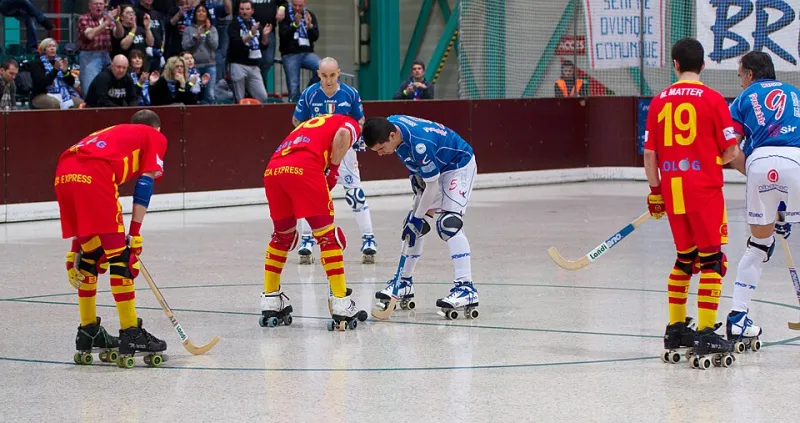
Photo: Clément Bucco-Lechat, CC BY-SA 3.0, via Wikimedia Commons
On a Thursday night in Phoenix, the loudest room in the city is a roller rink. The DJ is playing a mix of disco, cumbia, and early-2000s pop. A pack of teenagers is racing around the oval. A father is teaching his daughter how to stop without falling. A roller derby team is practicing in the corner, which is not technically a corner because the rink is a circle. The snack bar is selling nachos and pickles. The admission is twelve dollars. The skate rental is four. Nobody is checking a guest list.
This is not the nightlife you see on Instagram. There is no velvet rope. There is no bottle service. There is no dress code beyond 'please wear skates.' And yet the rink is full, loud, and alive in a way that a lot of bars and clubs are not. Across the desert Southwest, roller rinks are having a moment. Not a nostalgic one. A practical one.
The Cheapest Door on a Friday Night
Nightlife has gotten expensive. Cover charges, parking, drinks, tips, and the unspoken pressure to look like you belong can turn a simple night out into a budget meeting. Roller rinks offer something different: a low-stakes, high-fun evening that works for almost everyone.
A family of four can skate for less than the cost of two cocktails at a trendy bar. A group of friends can celebrate a birthday without renting a table. A teenager can have a social life without needing a fake ID. A older couple can relive a Friday night from 1983 without feeling like they are crashing a party for people half their age.
The economics are simple. Rinks make money on admission, rentals, snack bars, birthday parties, and private events. They do not need to sell alcohol to stay open. They do not need a celebrity DJ. They need a clean floor, working skates, and a crowd that wants to move.
Derby Girls, Birthday Parties, and the All-Ages Truce
Roller derby has been a big part of the revival. Leagues in Tucson, Albuquerque, El Paso, and Las Vegas have found a home in rinks that were once struggling to fill open skate sessions. The teams bring in friends, families, and fans. They rent practice time. They host bouts. They sell merch. They create a regular audience that comes back for more than just the sport.
The rinks also serve as a kind of all-ages truce. On a Saturday afternoon, you might see a birthday party for a seven-year-old. On a Saturday night, you might see a retro skate session for adults. The same room serves both. The same snack bar serves both. The same DJ might play 'Y.M.C.A.' for the kids and then a remix of it for the adults.
This is not a small thing in a region where nightlife can feel segmented by age, income, and vibe. A rink is one of the few places where a family, a group of friends, and a solo skater can all exist in the same space without it being weird. The shared activity is the icebreaker. Literally. Except it is a wooden floor.
Why a Rink Feels Like a Small Town
The appeal is not just cheap fun. It is belonging. A rink has regulars. It has employees who know your skate size. It has a DJ who takes requests. It has a rhythm. You go on the same night, you see the same people, you learn the same customs. Don't cut people off. Don't skate backward in the fast lane. Don't stop in the middle of the floor to take a selfie.
In a city, that kind of repeated low-pressure social contact is rare. Bars can be cliquish. Clubs can be loud. Concerts can be expensive. A rink is a room where you can be alone or together, depending on your mood. You can skate laps and think. You can skate with a friend and talk. You can fall down and a stranger will help you up. That is not nothing.
The Antidote Is Not a Trend
The rink revival is not just about nostalgia for the 1980s. It is a response to a nightlife scene that has become more exclusive, more expensive, and more performative. People are looking for places where they can show up in a T-shirt and feel welcome. Places where the point is not to be seen but to do something. Places where the clock slows down and the floor keeps moving.
As of 2026, the rinks that are thriving are the ones that have figured this out. They host themed nights. They partner with local DJs and food trucks. They rent space to derby teams and quinceañera parties. They keep prices low. They keep the lights on. They keep the floor clean.
It is not a complicated formula. It is a wooden circle, a pair of skates, and a room full of people willing to look a little silly. In a desert of expensive nights out, that might be the most radical thing of all.