Projectors in the Parking Lot: The Southwest's Stand Against the Death of the Drive-In
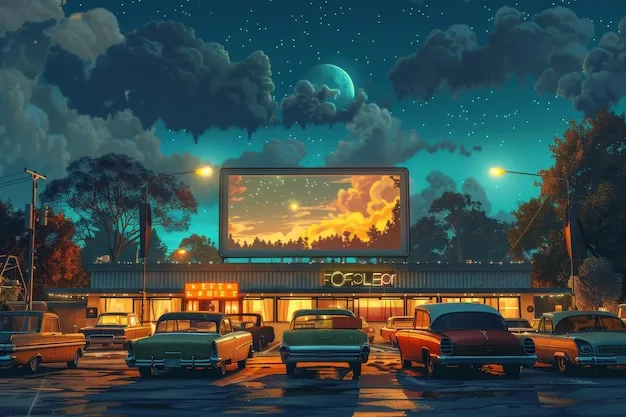
Photo: vintage drive-in movie theater at dusk desert southwest, via img.freepik.com
There's a moment at the Starlite in Las Cruces, right after the sun drops behind the Organ Mountains, when the lot fills with that low electric hum every drive-in regular knows by heart. Radios tune in. Pickup trucks back into spots nose-out. Somebody's kid is already asleep in the bed of a truck before the previews even start.
In most of America, this scene is a museum piece. In the Southwest, it's just a Friday.
The Math That Only Works Out Here
Drive-ins died for a lot of reasons — land values, digital projection costs, the rise of the home theater. But the desert quietly solves several of those problems at once. Land is cheaper. Winter screens run nearly year-round in southern New Mexico and West Texas. And rain, the great killer of outdoor movie nights everywhere else, barely shows up to work.
"We run 48 weeks a year," says the owner of a single-screen lot outside Roswell, who asked to be described by his marquee instead of his name. "People in Ohio get four months. I get everything but monsoon season."
That arithmetic is why, when industry trackers count the surviving drive-ins in America, New Mexico, Arizona, and West Texas keep punching way above their population weight.
The People Who Never Left
The surviving lots share a certain stubbornness. Many are second- or third-generation family operations that survived the switch to digital only because communities held fundraisers to buy projectors. That history shows up in the clientele: multi-generations of regulars who treat the lot like a park that happens to show movies.
At the Swap Shop-style lots of the Panhandle and the classic single-screeners along the Rio Grande, the programming has gotten savvier, too. Double features of horror classics in October. Quinceañera rentals on off-nights. Mariachi-language screenings that pack the lot when the local cineplex wouldn't dare.
The cult followings are real and organized. Facebook groups coordinate convoys. Lowrider clubs claim the front row. One Tucson lot has regulars who've held the same spots for over a decade — marked, unofficially, by lawn chairs and memory.
A Mini-Guide to the Lots Still Glowing
New Mexico: The Starlite in Las Cruces remains the gold standard — modern digital projection, a snack bar that still makes food people actually order, and a view that competes with whatever's on screen. Around Albuquerque and the Clovis area, a handful of single-screen survivors keep weekend schedules alive through most of the year.
Arizona: The Phoenix area's last full-time operation draws lines down the access road on summer nights, when the lot leans into late shows that start after the heat breaks. Tucson's scene leans smaller and scrappier — pop-up projector nights and one holdout lot that doubles as a swap meet by day.
West Texas: This is drive-in heartland. The lots around Lubbock, Amarillo, and the smaller towns off US-84 run on double features and concession-stand economics. Bring cash. Bring a blanket. Bring a truck bed full of pillows.
Why It Still Matters
It's tempting to file drive-ins under nostalgia, but sitting in a lot full of strangers — headlights off, crickets louder than the dialogue — doesn't feel like looking backward. It feels like something streaming can't ship: a movie as a place instead of a product.
The Southwest kept them because the region has always understood that entertainment and landscape are the same business. The screen is the excuse. The sky is the reason.