The Shelves Are the Point: Inside the Desert Video Stores Outlasting the Streaming Wars
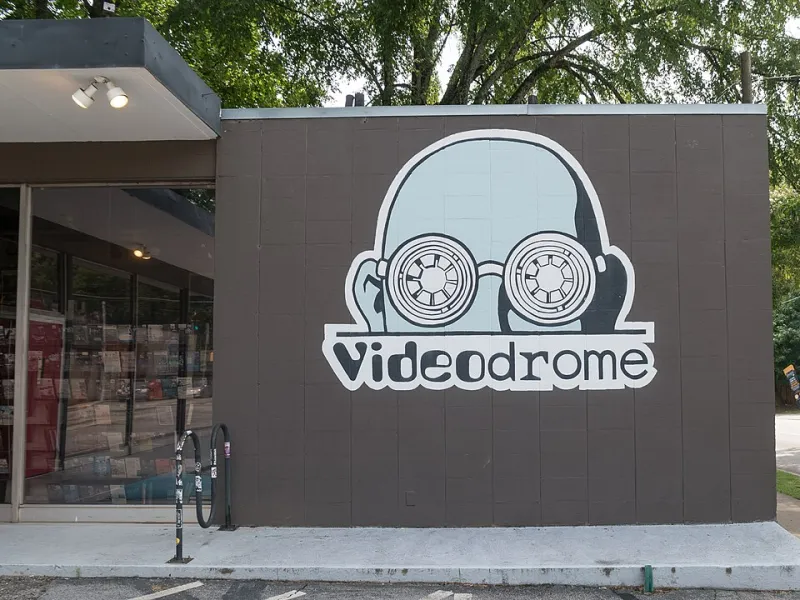
Photo: Marc Merlin, CC BY-SA 4.0, via Wikimedia Commons
On a Friday in Albuquerque, the video store is doing what video stores supposedly stopped doing years ago: hosting a crowd. The back room has been cleared for a screening of a 1970s desert road movie. Folding chairs are arranged in uneven rows. A projector hums. Someone has brought a cooler of sodas. The rental counter is open, but nobody is renting anything right now. They are watching a movie together, in a room that smells like popcorn and old carpet.
This is the new math of the desert video store. The shelves still matter. The rentals still happen. But the survival plan is not about beating Netflix at its own game. It is about being the one place in town where a movie is not just content. It is an event, a recommendation, a conversation, and a reason to leave the house.
More Than a Rental Counter
The stores that have lasted in Tucson, Phoenix, Albuquerque, El Paso, and smaller desert towns tend to share a few traits. They are small. They are stubborn. And they have figured out that physical media is not the product. The product is the room.
One shop in Tucson runs a membership program that includes two rentals a month and free entry to its Saturday night screenings. A store in Albuquerque sells used DVDs and Blu-rays, but also hosts a monthly horror club. A shop in El Paso has a zine rack, a free water jug, and a couch that looks like it was rescued from a motel fire sale. The owner knows everyone by name. That is not a small thing.
In a streaming landscape that offers everything and recommends nothing, these stores offer something else: a point of view. The shelves are curated by a human being who has opinions. The horror section is not just horror. It is 'horror for people who think they hate horror.' The foreign section is not organized by algorithm. It is organized by the owner's trip to a film festival in 2019.
Curation as a Contact Sport
The owners will tell you that curation is the easy part. The hard part is the lease. Rent is rising. Insurance is annoying. Distributors have merged and disappeared. Some studios no longer sell physical media to small retailers. The supply chain is less a chain and more a guy with a van and a stack of ex-rental copies.
Still, the stores adapt. They buy collections from estate sales and closing video stores. They trade with collectors. They host swap meets. They sell snacks, T-shirts, and posters. They rent out the back room for birthday parties and podcast recordings. They partner with local filmmakers for premiere nights. They become, by necessity, a little bit of everything: a cinema, a clubhouse, a retail shop, and a community center with a VHS player.
The most successful ones do not pretend to be Blockbuster. They lean into the weirdness. A store in Phoenix has a shelf labeled 'Movies That Will Ruin Your Sunday.' A shop in Albuquerque has a wall of instructional tapes, including a 1980s gem about desert gardening that may or may not be a cult classic. The staff picks are handwritten. The recommendations are personal. The whole place feels like a letter from someone who actually wants you to see something good.
The Regulars Who Keep the Lights On
On any given night, you can find a mix of regulars. There is the retired teacher who comes in every Tuesday for the new Criterion releases. There is the college student who is working through a list of cult films. There is the family that rents three movies for the weekend because their internet is spotty. There is the guy who just wants to talk about a movie he saw in 1987 and has never been able to find again. The store is where he finds it.
These stores also function as a kind of memory palace. You can walk the aisles and see the history of your own taste. The movies you rented in high school. The ones you missed. The ones you keep meaning to watch. Streaming gives you a queue. A video store gives you a shelf. There is a difference between being served an algorithm and walking into a room full of possibilities.
As of 2026, the video stores that remain are not trying to turn back the clock. They are trying to keep a specific kind of public space alive. A place where you can ask a stranger what to watch. A place where the answer is not a thumbnail but a conversation. A place where the lights stay on late and the shelves are the point.