Wired to the Weird: How Desert Psychedelia Is Bleeding Into the Mainstream
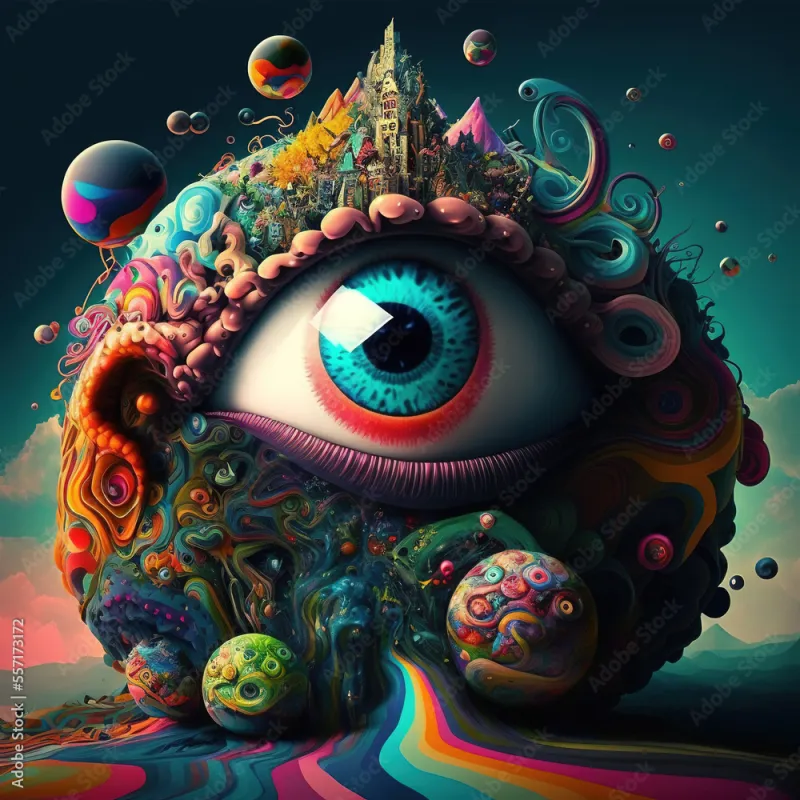
Photo: psychedelic rock band performing in desert Southwest at night with neon lights, via as2.ftcdn.net
There's a particular kind of silence that exists in the Southwest at 2 a.m. — the kind that hums. Stand far enough outside of Albuquerque or Flagstaff or Joshua Tree and the desert stops being quiet and starts being loud in a way that's hard to explain. It vibrates. It breathes. And for a growing cluster of bands scattered across Arizona, New Mexico, and Southern California, that sound is the whole point.
Something is happening out here. Call it a psychedelic rock revival, call it a spiritual reckoning set to fuzz pedals — whatever you name it, it's drawing ears from well outside the region.
The Sound Has an Address, and It's Not L.A.
For years, if you wanted to talk about psychedelic rock with any cultural weight, the conversation started on the coasts. San Francisco's legacy, Brooklyn's indie scene, Austin's weird-on-purpose energy. The Southwest was a footnote, maybe a reference point for turquoise aesthetics and dusty road-trip playlists.
That's changing fast.
Tucson's small but ferociously dedicated underground has quietly become one of the most interesting incubators for the genre in the country. Venues like 191 Toole and the Hotel Congress stage nights that pull from a lineage stretching back through Calexico and Giant Sand — but the newer acts are pushing somewhere stranger and more deliberate. Bands like Phantom Caravan and Mesa Ritual (both loosely Tucson-affiliated) are constructing sets that feel less like concerts and more like ceremonies. Extended instrumental passages, hand-percussion layered under electric sitar, visuals that reference Sonoran Desert geology and Hohokam iconography. It's heady stuff, and it's landing.
In Albuquerque, a loose collective operating under the name High Mesa Recordings has been releasing cassette-and-vinyl runs of local psychedelic acts since 2021. Their catalog reads like a field guide to altered states: slow-burning garage rock that suddenly opens into chanted vocal harmonies, reverb-soaked ballads that quote Pueblo oral traditions without appropriating them. The label's founder, who goes by Solano and prefers not to use a last name in press, told us the whole project started because "nobody was making the record we wanted to hear, so we figured we'd just make it ourselves."
That DIY instinct is everywhere in this scene, and it's a huge part of why it feels so alive.
Mysticism Isn't a Gimmick Here
One of the things that separates the Southwest psychedelic movement from its coastal cousins is that the spiritual dimension isn't cosplay. It's not a band slapping a third eye on an album cover because it looks cool. The desert has a genuine mystical tradition — multiple overlapping ones, actually — and a lot of these artists are drawing from lived experience, personal ancestry, or years of genuine engagement with those traditions.
Several of the most buzzed-about acts have members with Indigenous heritage who are navigating the line between honoring their backgrounds and making music that speaks to a broader audience. It's a tension they talk about openly. A guitarist from a New Mexico-based trio that's been getting write-ups in international music press described it this way: "We're not trying to teach anybody anything. We're just making the music that lives inside us. If people feel something, great. If they want to learn more about where it comes from, the information is out there."
That kind of intentionality is part of what's making the scene feel substantive rather than trendy. There's a difference between aesthetic borrowing and genuine rootedness, and audiences — even ones discovering this music through algorithmic playlists — seem to sense it.
Retro-Futurism and Red Rock
Visually, the Southwest psych scene has developed a distinct language. Think vintage NASA imagery layered over petroglyphs. Neon pink against sandstone orange. Analog synth tones that feel simultaneously ancient and like something from a 1970s science fiction paperback.
Several Southern California acts operating out of the Inland Empire and the High Desert region around Yucca Valley have leaned hard into this retro-futuristic aesthetic. It's a natural fit — the area's history with aerospace, its proximity to actual desert wilderness, and its long association with countercultural experimentation (both the musical and the more chemically assisted variety) all feed into a worldview that sees the desert as a place outside of time.
Album artwork from this corner of the scene tends to look like it was designed by someone who found a box of old sci-fi pulps at a yard sale and then drove out to watch the sun rise over the Mojave. That's not an insult. It's exactly as compelling as it sounds.
The Coastal Attention Problem
Here's the complication: the more visible this scene gets, the more outside pressure it faces.
Bookers from Los Angeles and New York have started showing up at Tucson and Albuquerque venues, dangling offers. Streaming algorithms have started surfacing some of these acts to audiences who have no geographic connection to the Southwest. Festival programmers are calling. And while none of that is inherently bad — artists deserve audiences — there's a real anxiety within the community about what happens when the aesthetic gets extracted from the context.
"We've already seen a couple of bands get picked up and basically repackaged," said one Tucson scene veteran who books a monthly psych-focused showcase. "They get cleaned up, the rough edges get sanded off, and suddenly they sound like everyone else. The desert part disappears."
It's a tension that any regional scene eventually confronts. The Southwest psychedelic movement is at that inflection point right now — popular enough to attract serious outside attention, still grounded enough to push back against it.
Why It Matters
Psychedelic rock has always been about the search for something beyond ordinary perception. In the Southwest, that search has a landscape to match — vast, ancient, indifferent, occasionally terrifying, genuinely beautiful. The bands working in this space aren't just making interesting music. They're making music that could only come from here, from these specific canyons and skies and silences.
That's rarer than it sounds. And it's worth paying attention to before the neon gets too bright and washes everything out.