Pixels and Petroglyphs: The Indigenous Artists Rewiring the Southwest's Digital Soul
Photo: Indigenous artist neon light installation desert Southwest, via i.ytimg.com
Somewhere between a canyon wall etched a thousand years ago and a pulsing LED installation in a Phoenix warehouse, something new is happening. It doesn't have a single name yet, and the artists driving it seem to prefer it that way. Call it digital Indigenous futurism, call it ancestral neon, call it whatever you want — just don't call it a trend.
Across New Mexico, Arizona, Utah, and the broader Colorado Plateau, a loose but growing network of Native artists is blending traditional visual languages — clan symbols, cosmological diagrams, weaving patterns, ceremonial color palettes — with the tools of the digital age. We're talking projection mapping onto sandstone formations, synth compositions layered with field recordings of rain ceremonies, and glowing installations that feel simultaneously ancient and decades ahead of anything you'd find in a Chelsea gallery.
The Screen as Sacred Space
For Diné multimedia artist Shyla Runningwater, the jump from beadwork to digital fabrication wasn't the leap it might sound like. "Both are about precision," she explains, speaking from her studio space outside Gallup, New Mexico. "Both are about pattern carrying meaning. The difference is that a screen can pulse. It can breathe. That's something my grandmothers' hands did too."
Runningwater's recent installation series, Shimá Nahasdzáán / Electric Earth, projects traditional Navajo textile patterns onto the walls of abandoned trading posts throughout the Four Corners region. The patterns shift and animate in real time, responding to ambient sound — wind, passing cars, visitors' voices. It's part land acknowledgment, part reclamation, part ghost story. The trading posts themselves become canvases for a history that was never fully told inside their walls.
She's not alone in this thinking. Across the Southwest, artists from Pueblo, Apache, Tohono O'odham, and Hopi communities are arriving at similar conclusions through very different paths. What unites them is a refusal to treat digital tools as inherently Western or colonial. "The assumption that technology belongs to one culture is itself a colonial idea," says Zuni-descended visual artist and composer Marcus Tewa. "We've always been innovators. We built cities when Europe was still figuring out the wheel."
Sound as Ceremony
Tewa's work leans hard into the sonic side of this movement. His compositions layer analog synthesizers with recordings made during public ceremonial gatherings — never the sacred portions, he's careful to note — creating what he calls "threshold music." It's meant to exist at the edge of two worlds, familiar enough to feel grounded but strange enough to unsettle comfortable assumptions.
"I want non-Native listeners to feel slightly lost," he says with a grin. "Not in a hostile way. In a 'you are a guest here' way. Because you are."
His recent performance at an Albuquerque arts collective drew a crowd that ranged from local Pueblo community members to transplants from Brooklyn who'd moved to New Mexico for the light and stayed for the culture. The response was electric — literally and figuratively. Tewa performed surrounded by custom-built neon tubes arranged in patterns drawn from historical pottery designs, the light shifting in sync with the music's pulse.
Challenging the Museum Gaze
One of the more pointed aspects of this movement is its deliberate sidestep of traditional art world gatekeeping. Many of these artists have bypassed the museum circuit almost entirely, choosing warehouse pop-ups, reservation community centers, desert outdoor installations, and DIY venues instead.
"Museums have a complicated relationship with Indigenous art," says curator and artist Priya Runbear, who is Laguna Pueblo and has organized several group shows across the Southwest. "A lot of us grew up seeing our grandparents' work behind glass, labeled as 'artifact.' We're not interested in that framing. We want our work to be alive, to be in conversation with people, not preserved like something that stopped mattering."
Runbear's most recent curatorial project brought together eight artists for a one-night projection event on the exterior of a historic building in Santa Fe's Railyard district. The images — digital interpretations of kachina forms, star maps, migration routes — washed over the building's facade while an original soundtrack played from speakers buried in the surrounding planters. The event was free, intentionally underpromoted, and word of mouth only. It sold out within hours of the first post going up.
Why the Rest of the Country Is Starting to Pay Attention
Nationally, the conversation around Indigenous futurism has been building for years, largely through literary and comic book communities. But the visual and sonic work coming out of the Southwest is adding a new, regionally specific texture to that conversation — one that's rooted in landscape as much as identity.
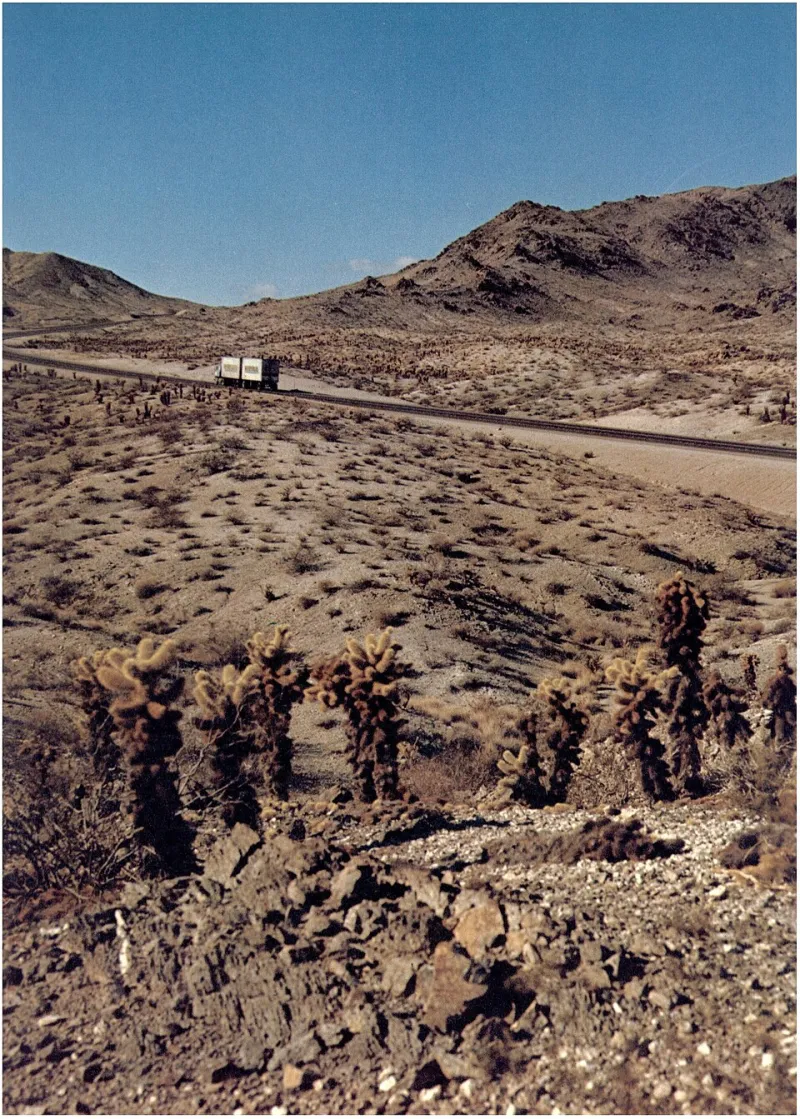
The desert itself is part of the aesthetic. The colors these artists reach for — deep turquoise, burnt sienna, the particular electric pink of a Sedona sunset, the blue-black of a night sky with no light pollution — aren't random. They're the actual palette of the land. When Runningwater layers neon pink across a sandstone projection surface, she's not being ironic. She's being literal. That color lives in the rock at certain hours.
"People from outside the region sometimes think the Southwest is monochromatic," she says. "Brown and beige. But if you've actually lived here, you know it's one of the most visually extreme environments on earth. We're just using that."
More Than Art, Less Than Enough
None of this exists in a vacuum, and the artists themselves are clear-eyed about the stakes. Funding for Indigenous arts programs remains inconsistent. Access to high-end digital equipment is not equal across communities. And the specter of cultural appropriation — of non-Native artists borrowing these aesthetics without credit or context — is a very real concern as the movement gains visibility.
"We're watching," Tewa says simply. "And we have been for a long time."
But the energy is undeniable. What's being built in the Southwest right now — across studio spaces, desert flats, community halls, and late-night warehouse shows — is something that feels genuinely new precisely because it's so deeply old. These artists aren't abandoning their heritage to go digital. They're using every tool available to make sure that heritage doesn't just survive, but glows.