Sequins in the Dust: How Queer Performers Are Owning the Southwest's Most Unlikely Stages
Photo: drag performer colorful costume desert Southwest bar stage, via ae01.alicdn.com
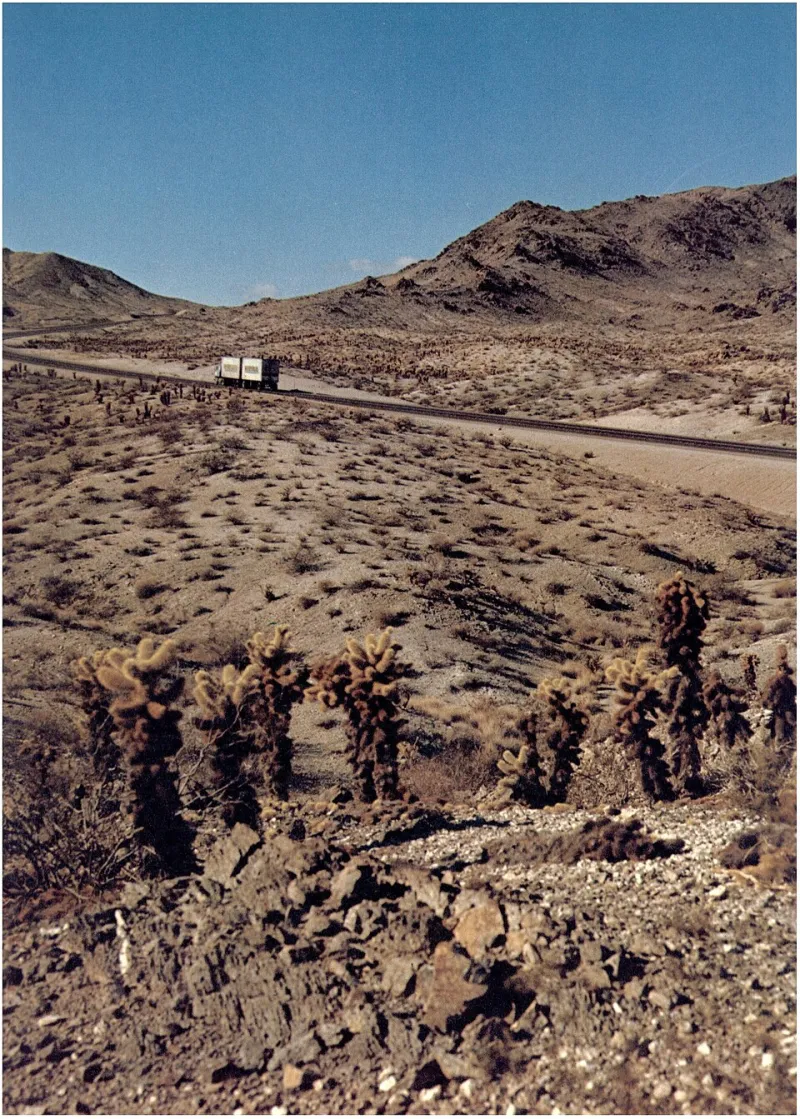
The bar doesn't look like much from the outside. It's a squat building off a state highway in a small Arizona town, the kind of place with a hand-painted sign and a parking lot that's more gravel than asphalt. Inside, though, on a Friday night, something is happening that would stop a lot of people in their tracks: a six-foot queen in a hand-sewn cholla cactus costume is lip-syncing to a Selena deep cut while the crowd — ranchers, college kids, locals who drove forty-five minutes for exactly this — absolutely loses their minds.
This is the Southwest drag underground. It doesn't have a single headquarters or a unified brand. It doesn't need one.
Finding the Stage Wherever It Fits
The queer performance scene spreading across Arizona, New Mexico, southern Utah, and West Texas operates on a logic that's almost entirely different from what you'd find in a major metro. There are no dedicated drag bars in most of these towns. There's no established circuit, no guaranteed audience, and no safety net if a show flops. What there is: a collection of performers, venue owners, and community members who have decided that geography is not a reason to go without.
"People act like you have to be in New York or LA to do real drag," says Marisol Fuego, a performer based in Las Cruces, New Mexico, who has been doing shows in the region for nearly a decade. "But I'd argue what we do out here is realer, because we built it ourselves. Nobody handed us a stage."
Fuego's shows rotate between a handful of venues in and around Las Cruces and El Paso, including a bar that primarily books country acts and a gallery space that doubles as a community meeting room. The flexibility is intentional. "If you wait for the perfect venue, you wait forever. You make the room what it needs to be."
The Aesthetic Is All Southwest
One of the most striking things about this scene is how deeply it's absorbed the visual culture of the region. You're not going to see a lot of generic club-kid aesthetics out here. What you will see are looks that pull from Día de los Muertos iconography, Navajo blanket color palettes, turquoise-heavy jewelry stacked to the elbow, cowboy boot heel-clicks worked into choreography, and makeup that references the landscape — terracotta contour, sky-blue liner, the particular gold of afternoon light on red rock.
"I'm a desert queen," says Tucson-based performer Dusty Mirage flatly. "My drag is about where I'm from. I'm not trying to do New York drag. I'm trying to do Sonoran Desert drag. Those are different things."
Dusty's performances often incorporate regional music — norteño, Native American flute, Tejano, indie folk from the Southwest singer-songwriter circuit — alongside more expected pop choices. The result is something that feels genuinely rooted, not like a transplant from somewhere else.
The Venues Are Part of the Story
The spaces themselves are central to what makes this scene distinct. A converted adobe building outside Taos. A bar in rural Arizona where the owner hung a single disco ball and called it a transformation. A community gallery in Silver City, New Mexico, that opened its doors to a monthly queer performance night because the performers asked and the owner said yes.
These aren't glamorous rooms. They're often acoustically imperfect, underfunded, and logistically complicated. The queens and kings performing in them know this and work with it rather than against it. Low ceilings mean the audience is close. Small rooms mean energy concentrates fast. The intimacy that results is something you genuinely cannot manufacture in a thousand-seat venue.
"I've performed in places where I could reach out and touch the front row," says Valentín del Norte, a drag king based in Albuquerque who regularly tours smaller Southwest towns. "And that closeness changes everything. There's nowhere to hide — for me or for the audience. We're all in it together."
Valentín's shows often address identity directly — immigration, masculinity, the particular experience of being queer and Latino in the rural Southwest. "I'm not interested in escapism for its own sake," he says. "I want the show to mean something. I want people to leave thinking."
Safety, Community, and the Stakes of Visibility
It would be dishonest to write about this scene without acknowledging the risks. Performing visibly as a queer artist in parts of the rural Southwest is not without its complications. Not every small town is welcoming. Not every bar owner is an ally. And the political climate across several Southwest states has made visibility feel higher-stakes in recent years.
"We've had shows where people outside were not happy we were there," Marisol Fuego says quietly. "That's real. We don't pretend it isn't."
But the community response to those moments has been, by multiple accounts, more striking than the hostility itself. Regulars who show up early to make sure performers feel safe. Local families who bring their kids because they want them to see something real. Straight ranchers who started coming to a show out of curiosity and became some of the loudest people in the room.
"The Southwest has always been more complicated than the stereotype," says Dusty Mirage. "It's not all conservative. It's not all one thing. There's room for us here. We just had to show up and claim it."
What the Big Cities Could Learn
There's a tendency in mainstream queer media coverage to treat rural and small-town scenes as plucky underdogs — brave but somehow less than. The performers out here are done with that framing.
What's happening in the Southwest's dive bars and desert galleries is not a lesser version of something happening elsewhere. It's its own thing: scrappier, more inventive by necessity, more deeply embedded in its specific place and culture. The performers are not waiting for permission or validation from coastal arbiters of what drag should look like.
They're already doing it. Sequins in the dust, disco ball over the pool table, the crowd pressed close, the desert just outside the door. Real as it gets.