Skin Deep in the Desert: The Southwest Tattoo Artists Turning Ancient Symbols Into Living Art
Photo: tattoo artist Southwest desert geometric pattern studio, via downloadr2.apkmirror.com
Walk into almost any serious tattoo shop between Albuquerque and Las Vegas right now and you'll notice something that didn't exist a decade ago. Pinned to the walls alongside the usual flash sheets and portfolio prints, you'll find reference images pulled from pottery shards, kiva murals, and canyon petroglyphs. The aesthetic is unmistakable — geometric, deliberate, rooted in something that feels older than the buildings around it.
Southwest tattooing has found its voice, and it sounds like it's been here forever.
A Regional Style That Refuses to Stay Regional
For years, the tattoo industry's gravity pulled toward the coasts. New York realism, California traditional, Pacific Northwest blackwork — these were the styles that dominated convention floors and Instagram feeds. The desert Southwest was largely treated as flyover country by the broader tattooing world.
That's changed fast. Artists working in Phoenix, Tucson, Santa Fe, and Reno are now booking clients from Europe, Japan, and across South America — people making deliberate pilgrimages specifically for work that channels the visual DNA of the Sonoran Desert and the Colorado Plateau. The imagery they're after isn't generic "tribal" in the vague, early-2000s sense. It's specific. It's researched. And in the best cases, it carries genuine weight.
Artists like those at studios such as Iron Palm in Phoenix and smaller independent shops scattered through Albuquerque's Nob Hill neighborhood have built followings by treating pre-Columbian iconography — Hohokam pottery patterns, Anasazi geometric forms, Pueblo cloud and rain symbols — with the same rigor that a Japanese tebori master applies to traditional irezumi. The result is a style that reads as both ancient and completely contemporary.
The Conversation Nobody Gets to Skip
Of course, you can't talk about this movement for long without hitting the wall that every honest person working in this space has already run into: who gets to use these symbols, and what does it mean when they do?
This is where Southwest tattoo culture gets genuinely interesting, because the answers aren't simple and the artists doing the most thoughtful work aren't pretending they are.
Some Indigenous artists and community members have been vocal about the discomfort of watching sacred or ceremonially significant imagery migrate onto the skin of non-Native clients who may have encountered it on Pinterest. That discomfort is legitimate and worth sitting with. Certain symbols — kachina imagery, clan-specific patterns, ceremonially restricted designs — carry meaning that transcends aesthetics, and removing them from that context is a real loss regardless of the artist's intentions.
But the picture is more complicated than a simple appropriation narrative captures. Several of the most celebrated artists working in this regional style are themselves Indigenous — Diné, Pueblo, Tohono O'odham — and they're not simply reproducing traditional work. They're actively evolving it, bringing it into conversation with contemporary tattooing in ways that assert cultural continuity rather than abandonment. For these artists, the needle is a form of reclamation.
"My grandmother's generation was told to forget," one Navajo artist working out of a Flagstaff studio said in a recent interview with a regional arts publication. "What I put on people's skin is the opposite of forgetting."
Desert Iconography Beyond the Sacred
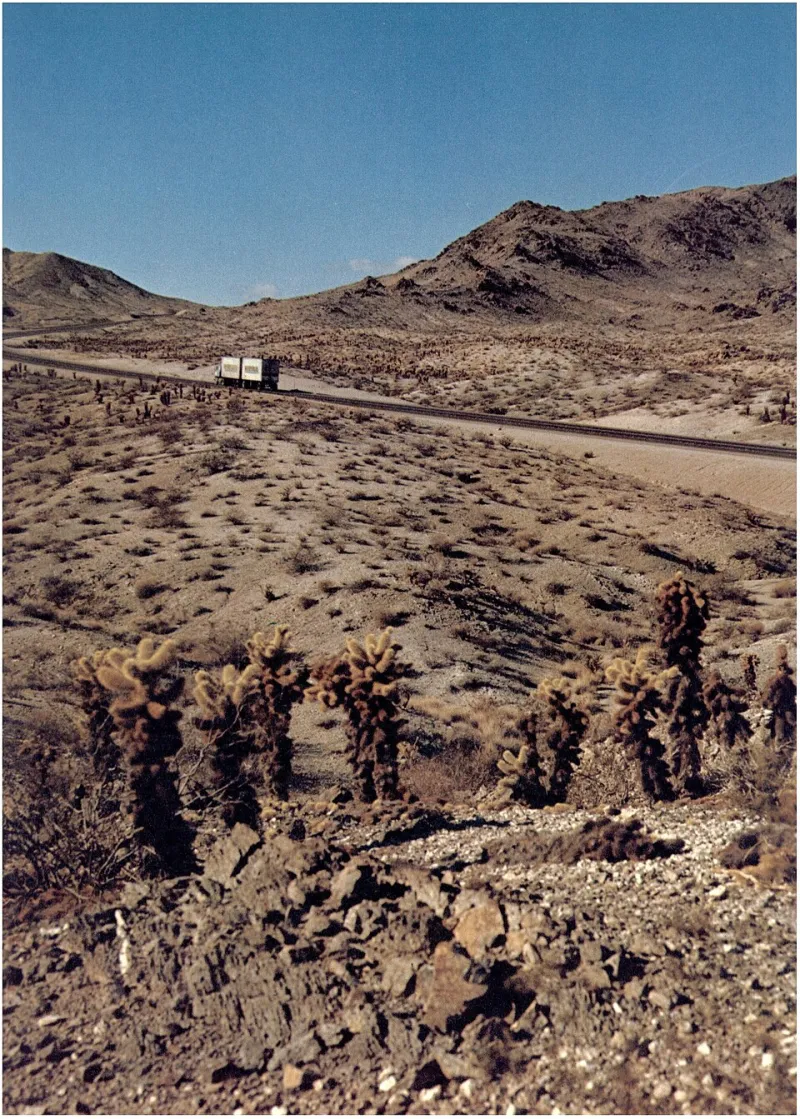
Not everything in this regional style carries spiritual weight, and it's worth acknowledging the broader visual vocabulary that Southwest tattoo artists are working with. The desert itself — its flora, its light, its geological drama — has become a rich source of imagery that doesn't raise the same cultural questions.
Saguaro silhouettes rendered in single-needle linework. Roadrunners built from negative space. The specific orange-to-purple gradient of a Sonoran sunset translated into watercolor-adjacent washes. Rattlesnakes coiled in patterns that echo Mogollon pottery. Javelinas. Ocotillo. The particular way a thunderhead builds over a mesa in August.
This landscape-rooted imagery has become a kind of regional signature — identifiable in the same way that a Sailor Jerry anchor reads as American traditional or a Hokusai wave reads as Japanese. It's a visual shorthand for place, and it's resonating with people who feel a deep attachment to the Southwest whether they were born here or arrived last year.
The Instagram Effect, for Better and Worse
Social media has been both engine and complication for this scene. On one hand, Instagram specifically has allowed artists in smaller Southwest markets to build international audiences that would have been impossible in the pre-digital era. A tattooer in Albuquerque can now reach a collector in Berlin as easily as one in Dallas.
On the other hand, the platform's visual economy rewards the immediately striking over the deeply considered. There's a version of Southwest-inspired tattooing that's essentially aesthetic tourism — borrowing the surface appearance of ancient iconography without any engagement with its meaning or context. It photographs beautifully and it raises real questions.
The artists navigating this tension most successfully tend to be the ones treating the consultation process as seriously as the technical execution. Understanding why a client wants a particular symbol, what they know about its origins, what relationship (if any) they have to the culture it comes from — these conversations are becoming standard practice in the better shops, even when they're uncomfortable.
What Comes Next
The Southwest tattoo scene is at an inflection point. International recognition is arriving just as the internal cultural conversations are getting more sophisticated. The artists who will define the next chapter of this movement are almost certainly the ones who can hold both things at once — the genuine creative excitement of working in a visual tradition this rich, and the responsibility that comes with doing it honestly.
The desert has always been a place where things that look dead turn out to be waiting. These symbols survived centuries of suppression and erasure. Now they're moving again, through ink and skin, into a new kind of permanence. How that story gets told — and by whom — matters as much as how it looks on the feed.